Cybersecurity Compliance in Canada: SOC 2 Type II and PIPEDA
October 5, 2026
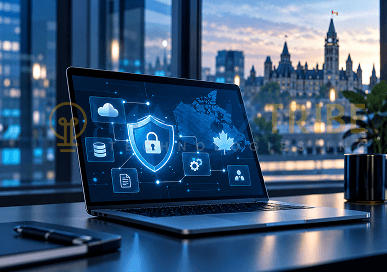
Your privacy compliance is only as strong as the vendors inside your systems. Verizon’s 2026 Data Breach Investigations Report found third-party involvement in 48% of breaches analyzed, up from 30% the previous year.
For Canadian businesses, that risk connects directly to PIPEDA, which keeps you accountable for personal information handled by third parties. When a software partner accesses your systems or data, its security controls become part of your risk.
SOC 2 Type II gives you independent evidence about how relevant controls operate over time, giving you a stronger basis for assessing that provider.
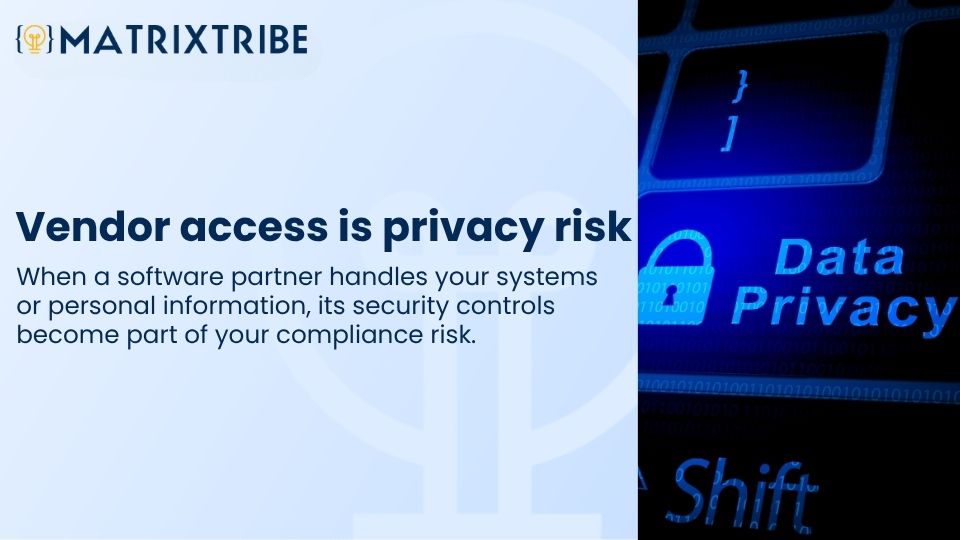
Why Verifiable Security Controls Matter More Than Vendor Claims
A security policy tells you how a provider says it protects your information. Vendor due diligence becomes stronger when you can verify that those practices are supported by evidence.
Security Policies Need Evidence Behind Them
Policies, contracts, and security questionnaires still matter because they establish responsibilities and expected practices. Your assessment should also examine what supports those statements in day-to-day operations.
The Office of the Privacy Commissioner of Canada recommends verifying a provider’s security practices and administrative controls before you work with them. Its guidance also points to access logs, regular testing, reporting tools, and independent audits as ways to assess security after implementation.
Major technology providers use the same evidence-based approach. Microsoft presents contractual commitments and technical safeguards alongside formal audits, including SOC 2 Type 2, in its guidance for Canadian privacy requirements. Microsoft states that these third-party audits independently validate whether security controls are in place and operating effectively.
The distinction matters because documentation describes the control environment you expect to find. Testing, operational evidence, and independent assurance help you determine whether that environment works as described.
Software Partners Work Deeper Inside Your Technology Environment
The level of scrutiny should also reflect the access you are granting. In a software development outsourcing engagement, your provider works directly with the technology used to build and operate your product.
That access can include source-code repositories, cloud infrastructure, APIs, databases, CI/CD pipelines, staging environments, production systems, and credentials. When those systems store or process personal information, the provider’s security practices directly affect how that information is protected.
This is why vendor assurance becomes particularly important when you choose a software partner. The deeper the access, the stronger the case for verifying the controls behind the provider’s security claims.
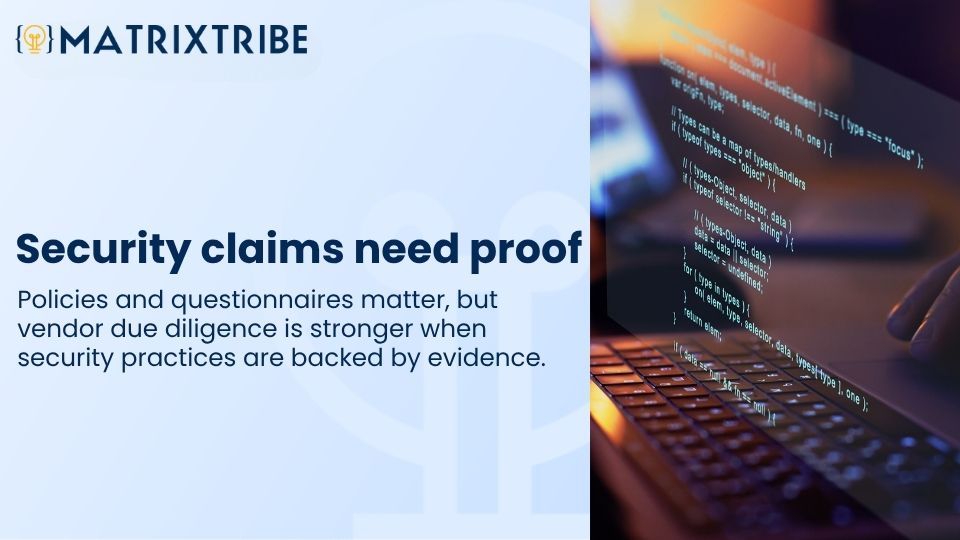
Security Evidence to Expect From a Software Partner
Once a provider works inside your technology environment, you need evidence that matches the level of access you are granting. PIPEDA related vendor due diligence should therefore look beyond general security statements and examine how the provider handles your systems and personal information in practice.
Understand the Access You Are Granting
Start with the scope of the engagement. Identify which systems the provider will access, what personal information sits inside them, and whether that access extends to staging or production environments.
The OPC recommends understanding what personal information is involved and how a provider’s technology handles it before entering the relationship.
Verify How the Provider Protects That Access
You should expect evidence around the controls that govern the engagement. This can include access management, security testing, breach procedures, monitoring, and independent assurance.
The OPC specifically recommends verifying a provider’s security practices and administrative controls. It also points to access logs, regular testing, reporting tools, and independent audits as useful monitoring mechanisms.
For a deeper breakdown of the control areas that matter during software delivery, see our guide to what SOC 2 Type II tells you about a software development partner.
Confirm What Happens to Your Information
Your review should also cover subcontractors, retention, deletion, and what happens when the engagement ends. The OPC recommends confirming how personal information is destroyed, returned, or removed from backups and subcontractor systems after services end.
This gives you a clearer picture of how the provider handles personal information across the full relationship, not only while active development is underway.
What Does PIPEDA Require Canadian Businesses to Protect?
The Personal Information Protection and Electronic Documents Act (PIPEDA) is Canada’s federal private-sector privacy law. It sets rules for how covered organizations collect, use, and disclose personal information during commercial activities.
PIPEDA is built around ten fair information principles. These cover areas such as consent, limiting collection, safeguards, accountability, access, and retention. For technology vendor risk, two principles are particularly relevant: accountability and safeguards.
Safeguards and Accountability
PIPEDA makes organizations accountable for personal information under their control. This includes putting appropriate policies and practices in place to protect that information. The safeguards must reflect the sensitivity of the information being protected. They should address risks such as unauthorized access, disclosure, modification, loss, or theft.
This matters when personal information sits inside applications, databases, cloud environments, or other business systems. The controls protecting those environments become part of how you manage your privacy responsibilities.
Responsibility When a Third Party Handles Personal Information
Your accountability does not automatically end when another provider processes personal information on your behalf. PIPEDA requires organizations to use contractual or other means to provide a comparable level of protection when information is transferred to a third party for processing. The OPC also provides guidance for businesses assessing outsourced and third-party services.
That makes the security practices of your software, cloud, and technology providers relevant to your own privacy risk. The next question is what you should actually examine before trusting a provider with that access.
Why Technology Providers Become Part of Your Security Risk
A technology provider can interact with far more than the data you deliberately send it. During an software development engagement, access is usually extended to repositories, cloud environments, APIs, databases, staging systems, and production tools.
Each access path can affect how personal information is protected. A provider’s access controls, security practices, subcontractor use, and incident procedures therefore matter before access is granted.
The OPC’s guidance on assessing third-party service providers recommends checking these areas before using technology that involves personal information. It also advises businesses to understand data flows, storage locations, and who may handle the information.
For a software partner, due diligence should answer a practical question: what evidence shows that the controls protecting your systems actually operate as described?
How SOC 2 Type II Supports PIPEDA Vendor Due Diligence
PIPEDA and SOC 2 Type II serve different purposes, but they can work together in vendor due diligence. For a Canadian business assessing a software partner, that assurance is valuable because many of the controls examined through SOC 2 support the same areas PIPEDA expects you to consider when protecting personal information through a third party.
PIPEDA Defines the Responsibility
Under PIPEDA, you remain accountable for personal information under your control, even when another company processes it on your behalf. Outsourcing the processing does not transfer that privacy responsibility. The Office of the Privacy Commissioner of Canada states that organizations must use contractual or other means to provide a comparable level of protection when personal information is transferred to a third party.
SOC 2 Type II Provides Evidence About Controls
SOC 2 examines controls at service organizations in areas such as security, availability, processing integrity, confidentiality, and privacy. A Type II examination goes further by assessing the operating effectiveness of relevant controls over a defined period.
That gives you stronger evidence when evaluating a provider than policies or security claims alone. For a detailed breakdown, see our guide to what SOC 2 Type II tells you about a software development partner.
What This Means When You Choose a Software Partner
When you give a software partner access to business-critical systems or personal information, security should be part of the selection process from the start. You need evidence that the provider’s controls match the level of access involved.
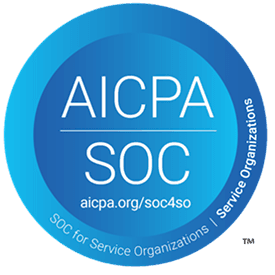
MatrixTribe is SOC 2 Type II compliant. Controls within the Security scope of our examination were independently evaluated for their design and operating effectiveness during the audit period. That gives you evidence behind how relevant controls support the way we manage access, change, security, operations, and software delivery.
That assurance matters across the work we deliver, including custom software, AI systems, integrations, cloud environments, and data-driven applications. Our delivery processes keep security controls connected to the systems we build and the environments we work inside.
You can also read more about how SOC 2 Type II strengthens software and AI delivery in our related article. If your next software or AI project involves sensitive systems or personal information, contact MatrixTribe to discuss a delivery approach backed by SOC 2 Type II assurance.
Frequently Asked Questions
Does SOC 2 Type II mean a provider is PIPEDA compliant?
SOC 2 Type II is not a PIPEDA certification. It gives you independent evidence about relevant controls that support how a provider protects systems and personal information.
Does PIPEDA require SOC 2 Type II?
No. PIPEDA does not require SOC 2 Type II. However, SOC 2 can strengthen vendor due diligence by giving you verified evidence about how relevant controls operate.
Why does SOC 2 Type II matter when choosing a software partner?
A software partner can access repositories, cloud environments, applications, and personal information. SOC 2 Type II gives you stronger evidence behind the controls used to manage that access.
Conclusion
Security and access controls matter even more as AI expands how software accesses, processes, and moves personal information. Following PIPEDA requirements helps you reduce privacy risk and avoid preventable legal exposure when third parties handle that information.
SOC 2 Type II gives you independent assurance that relevant controls inside a software provider have been examined over time.
At MatrixTribe, our SOC 2 Type II compliance supports how we manage security, access, change, operations, and software delivery. If your next software or AI project involves sensitive systems or personal information, contact MatrixTribe to discuss a delivery approach backed by independently examined controls.
Published
Latest Article
 October 5, 2026
Cybersecurity Compliance in Canada: SOC 2 Type II and PIPEDA
Read Article
 September 21, 2026